
The logistics tech landscape is evolving toward rapid digitization and interoperable systems. Real-time visibility, data-driven decision-making, and AI-powered planning are becoming standard across networks. Platforms for cold-chain integrity, micro-fulfillment, and urban last-mile efficiency are expanding, while open APIs enable modular automation. Governance and ethics guide experimentation, with pilots tied to measurable outcomes. Operational pressure remains to scale responsibly, demanding clear change management and resilient, cost-aware strategies that align technology with tangible performance gains.
What the Latest Logistics Tech Landscape Looks Like Today
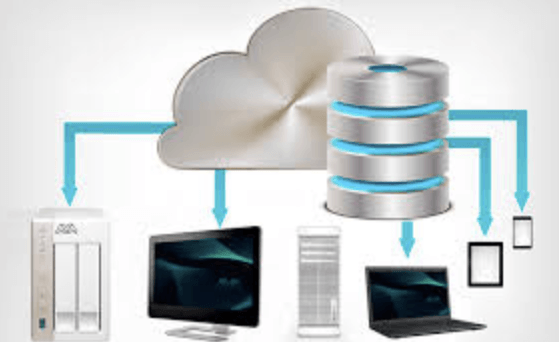
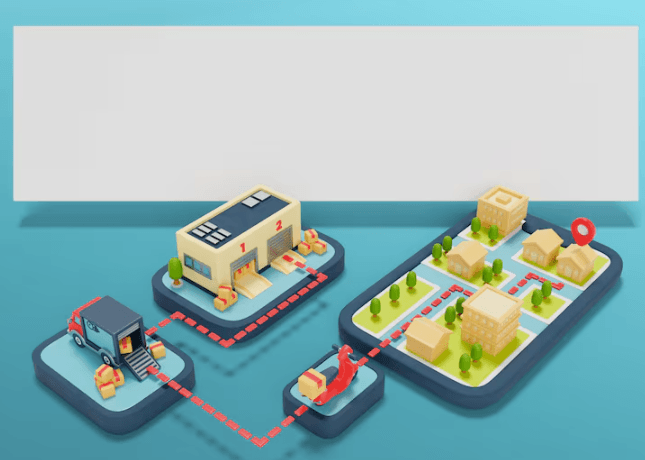
The current logistics tech landscape is characterized by rapid digitization, interoperability, and data-driven decision-making. Platforms enable material handling optimization, cold chain integrity, and real-time tracking, supporting resilient global trade networks. Urban freight reshapes last-mile efficiency through micro-fulfillment and shared infrastructure. Adoption curves show scalable cloud solutions, modular automation, and open APIs, empowering stakeholders to innovate while maintaining transparency, flexibility, and accountable governance.
How Data and AI Transform Visibility, Planning, and Execution
Data and AI systems now underpin visibility, planning, and execution across logistics, turning disparate data streams into actionable insights and automated decisions. They enable granular anomaly detection, proactive routing, and synchronized execution while maintaining transparent governance.
Emphasizing data ethics and responsible model deployment, organizations balance innovation with risk. The approach remains analytical, forward-looking, and freedom-oriented, prioritizing measurable outcomes and scalable, ethical deployment.
Practical Trends Shaping Operations: Automation, Connectivity, and Resilience
What practical trends are redefining logistics operations today? The assessment highlights automation maturity and warehouse robotics advancing throughput, while connectivity standards enable cross‑system data flow. Resilience strategies emphasize redundancy and agile sourcing. Data interoperability underpins ai driven forecasting and digital twins, enabling scenario testing. Last mile automation expands service levels, complementing scalable, cost-aware networks and measurable performance improvements.
How to Evaluate, Implement, and Scale Logistics Technology Successfully
Evaluating, implementing, and scaling logistics technology requires a structured, evidence-based approach that builds on the proven gains from automation, connectivity, and resilience identified previously.
From a data-driven perspective, organizations should quantify benefits, align governance with strategic goals, and pilot iteratively.
Key enablers include risk management, change management, scalable architectures, and continuous performance measurement to sustain competitive advantage and operational freedom.
Frequently Asked Questions
What Are the Hidden Costs of Implementing Logistics Tech Overnight?
Overnight deployment incurs hidden costs such as integration friction, data quality gaps, training time, and system downtime. These factors undermine quality metrics, impair scalability, and raise risk, while finance seeks fast ROI and operators crave freedom through measured, data-driven decision making.
How Does Technology Impact Frontline Worker Safety and Morale?
An echo of Greco-Roman toil hints at resilience: technology shapes frontline safety and morale, as automation and wearables influence work pace. It reduces risk when aligned with safety metrics, yet exacerbates tech fatigue if adoption lacks support.
Which Regions Offer the Best ROI for New Logistics Tools?
Regions with mature logistics markets and accessible capital show the strongest ROI for new tools; region maturity and capital availability jointly drive adoption velocity, cost of capital, and implementation success, supporting data-driven, forward-thinking decision-making for freedom-seeking stakeholders.
What Data Ownership Rights Do Shippers Retain in Platforms?
Data ownership rests with shippers in many platforms, though terms vary; platform rights may include data use, aggregation, and access limitations. Analysts emphasize transparent pools of data, control via dashboards, and forward-thinking governance for freedom-seeking stakeholders.
See also: theoperatormagazine
How Can Small Firms Pilot Tech Without Disrupting Supply Chains?
Pilot tech feasibility for small firms can proceed via confined pilots, staged rollouts, and clear success metrics, enabling small firm risk mitigation while preserving supply chain continuity and granting freedom to explore data-driven improvements.
Conclusion
The logistics tech landscape converges on real-time visibility, interoperable platforms, and data-driven decisions, underpinned by AI, governance, and scalable pilots. Data, automation, and resilient networks collaborate to reduce waste, shrink lead times, and enhance cold-chain integrity. As networks become modular and open, organizations must emphasize measurable outcomes and change management. Like a finely tuned compass, interoperable systems point toward faster, safer journeys for goods, aligning strategy with actionable, auditable progress.