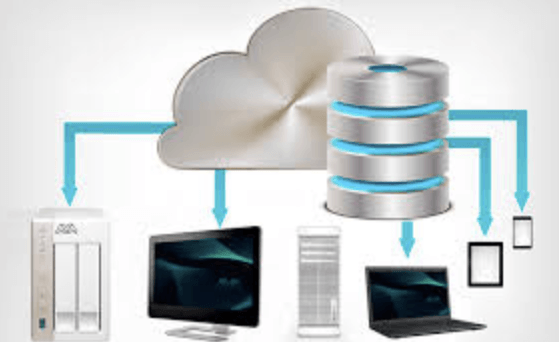

Recurring payments today blend automation, data, and security to sustain revenue. Automated billing reduces leakage and supports compliant revenue recognition across regions. Tokenized payments protect sensitive data while powering intelligent retry to distinguish transient issues from hard declines, boosting authorization and retention. Data-driven insights reveal retention drivers and onboarding impact, guiding growth with governance and regional controls. The result is steady cash flow and customer-aligned value, but the next steps demand careful alignment with systems, policies, and strategy.
What Recurring Payments Really Do for Your Business
Recurring payments automate revenue streams, reduce churn, and provide predictable cash flow for a business. They enable steady growth by aligning product value with customer expectations, guiding deliberate onboarding experiences and timely engagement. From a data-driven lens, recurring models illuminate retention drivers, support scalable operations, and inform failure recovery strategies, ensuring resilient cash flow. Customer onboarding accelerates adoption; failure recovery minimizes loss, preserving freedom.
Tokenized Payments and Intelligent Retry for Higher Retention
Tokenized payments and intelligent retry strategies enable higher retention by transforming how payment data is stored and leveraged.
Tokenization security minimizes sensitive exposure, while intelligent retries leverage retry semantics to distinguish between transient failures and hard declines.
This data-driven approach supports customer freedom, reduces friction, and informs strategic decisions, enabling seamless experiences, improved authorization rates, and predictable revenue without compromising trust.
See also: Logistics Technology Trends
Automated Billing, Compliance, and Regional Considerations
The approach emphasizes automation governance and structured risk management, delivering consistent revenue recognition while reducing leakage.
Data-informed decisions optimize regionalized pricing, alerts, and exemptions, supporting freedom-loving customers who value clarity, transparency, and seamless, compliant payment experiences.
Metrics, Optimization, and the Path to Growth
Metrics, optimization, and the path to growth build on the foundational discipline established in automated billing, compliance, and regional considerations. Firms leverage subscription onboarding data to forecast revenue, optimize tokenized payments, and refine intelligent retry. This customer-centric approach informs strategic decisions, ensuring scalable automated billing while maintaining regional compliance, ultimately enabling freedom through clarity, precision, and data-driven growth trajectories.
Frequently Asked Questions
How Do Refunds Affect Recurring Revenue Reporting?
Refunds reduce recognized revenue in the period issued, but can trigger revenue recapture adjustments in later periods; the impact depends on policy, timing, and contract terms. Refund accounting informs forecasting, while revenue recapture preserves long-term recurring metrics.
Can Customers Pause Subscriptions Without Canceling?
Yes, customers can pause subscriptions without canceling; this affects churn metrics and revenue forecasting. The analysis weighs pause duration, cancel implications, impact on LTV, and renewal timing, guiding data-driven decisions that support customer freedom and strategic retention.
What Are Best Practices for Handling Failed Renewals?
Should failed payments spur adaptive handling, or wait for delays? The approach emphasizes proactive dunning, clear debtor communications, and structured payment retries, enabling customer-focused, data-driven decisions that minimize churn while preserving financial freedom and operational resilience.
How Does Multi-Currency Pricing Impact Billing?
Multi-currency pricing affects billing by aligning charges to local currencies, reducing friction and chargebacks, while tax compliance requires accurate tax collection per jurisdiction; data-driven insights guide strategic revenue decisions, empowering customers seeking financial freedom through transparent, consistent invoicing.
What Automation Reduces Churn Beyond Retries?
Auditors once whispered “coin” under glass; today automation reduces churn beyond retries by leveraging automatic workflows and predictive analytics. The approach centers on proactive retention, data-driven insights, and customer-centric, freedom-seeking strategies that scale with confidence.
Conclusion
Recurring payments, when tech-enabled, deliver predictable revenue while safeguarding customer trust. The story of a streaming service that reduced churn by 15% after tokenized transactions and intelligent retry underlines the shift from reactive billing to proactive retention. Data-driven insights illuminate renewal drivers, enabling precise onboarding forecasts and growth strategies. Automated billing, compliance, and regional governance align experiences with expectations, turning payments into a strategic asset rather than a trailing expense. In short, tech-enabled recurring billing compounds value over time.